Key Takeaways
- Structured rooming checklists reduce medication errors by up to 35%
- Standardized rooming processes decrease room preparation time by 20%
- Patient satisfaction scores improve when consistent rooming protocols are followed
- Digital rooming checklists eliminate paper-based inefficiencies and gaps
Patient Rooming is the process where nurses greet and familiarize patients with their clinical surroundings before transitioning the responsibility of care to physicians or other health professionals. Smart Rooming Checklists can prevent common issues by simplifying the rooming process for patients and nurses.
What is Patient Rooming?
Patient rooming is a structured clinical process that occurs at the beginning of every ambulatory care visit. It encompasses everything from greeting the patient at the waiting room to ensuring all necessary preparations are complete before the physician enters the exam room. This includes verifying vital signs, updating medication lists, documenting chief complaints, and ensuring the room is properly equipped.
When done effectively, patient rooming sets the stage for a productive clinical encounter. When done poorly — or inconsistently — it creates bottlenecks, increases the risk of errors, and reduces patient satisfaction.
Challenges in Traditional Rooming Processes
- Inconsistency — different nurses follow different protocols, leading to variable patient experiences
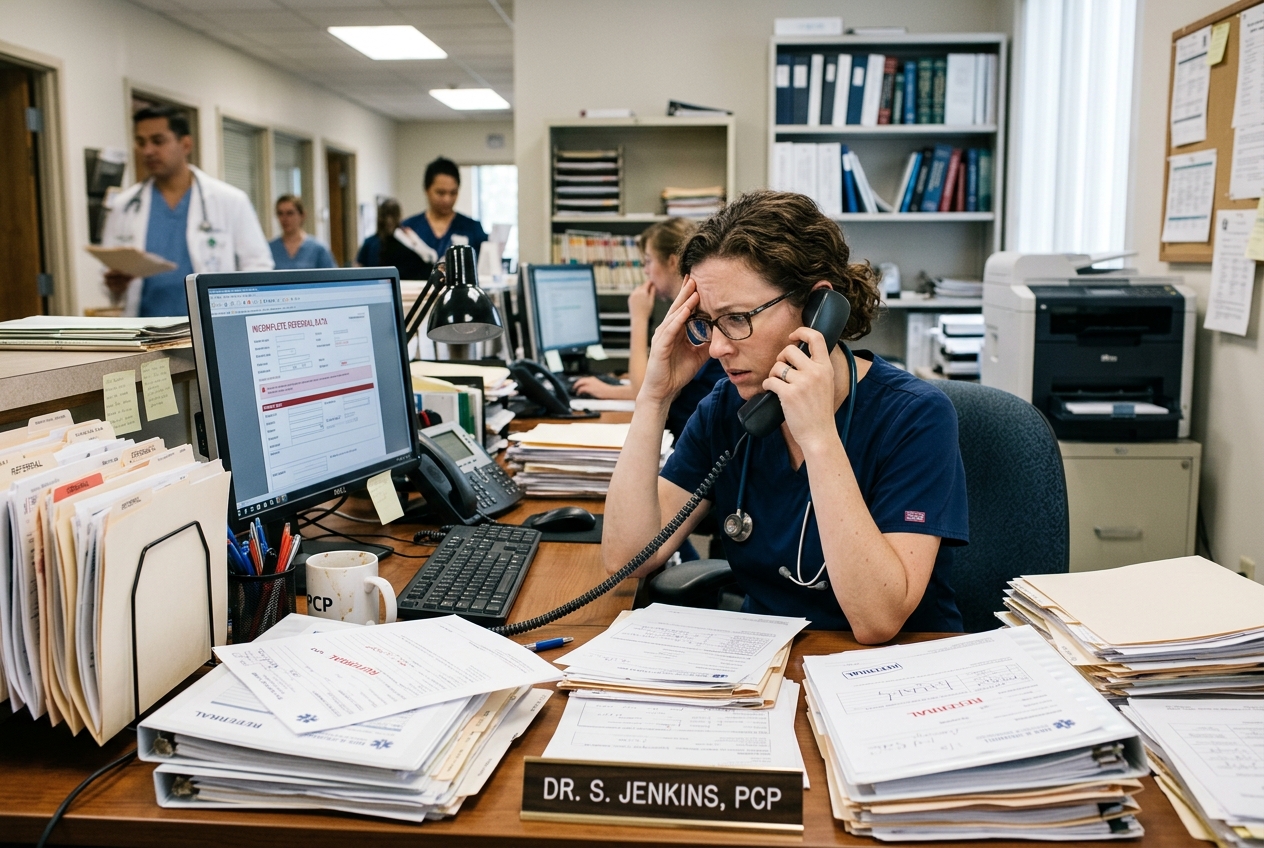
- Incomplete documentation — vital signs or medication reconciliation steps are frequently skipped under time pressure
- Communication gaps — information gathered during rooming may not be communicated effectively to the physician
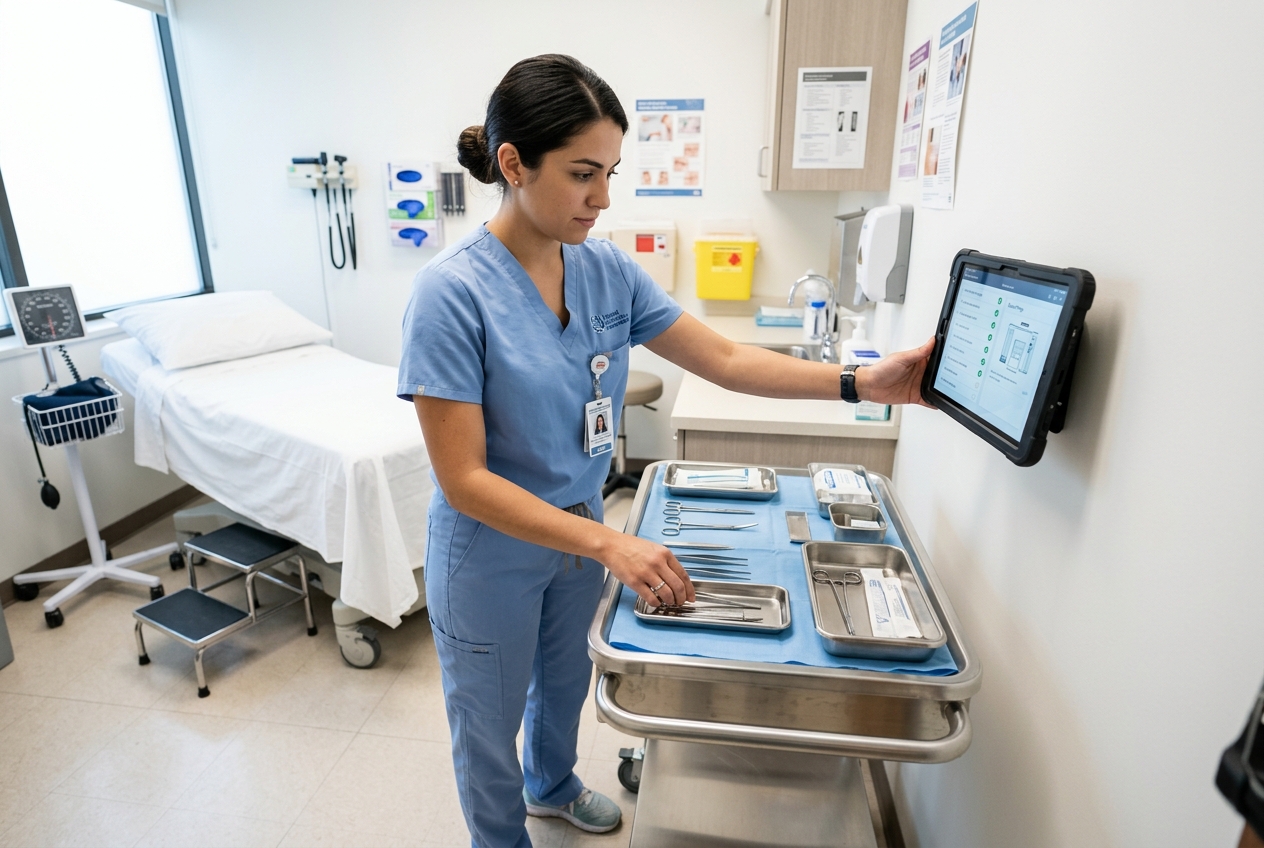
- Room readiness issues — supplies or equipment may not be prepared correctly for the type of visit
- Increased physician wait time — incomplete pre-visit prep forces physicians to gather information themselves
Smart Rooming Checklists
A smart rooming checklist is a structured, digital tool that guides clinical staff through every step of the patient rooming process. Unlike paper checklists, digital rooming checklists can be integrated into the EHR, adapted by visit type, and tracked for completion in real time.
Key components of an effective rooming checklist include: patient identification verification, vital signs (height, weight, BMI, blood pressure, heart rate, temperature, oxygen saturation), medication reconciliation, allergy review, chief complaint documentation, preventive care gap identification, and room preparation confirmation.
Benefits of Structured Patient Rooming
- Reduced medication errors through systematic reconciliation at every visit
- Improved care quality through consistent preventive care gap identification
- Enhanced patient satisfaction through standardized, professional greeting protocols
- Increased physician efficiency — physicians enter rooms with complete information
- Better documentation for value-based care reporting and quality measures
- Reduced liability through consistent protocol adherence
Implementation Best Practices
Successful implementation of digital rooming checklists requires clinical leadership engagement, staff training, and EHR integration. Practices should start by mapping their current rooming workflow, identifying gaps and inconsistencies, and designing a checklist that addresses those specific pain points.
HealthViewX offers integrated care management workflows that can be customized to include patient rooming protocols, ensuring that every patient encounter begins with a complete, standardized assessment — setting the foundation for high-quality, coordinated care.