Key Takeaways
- Outpatient visits now account for over 60% of all hospital encounters
- Ambulatory surgical centers perform procedures at 50-60% lower cost than hospital settings
- Care coordination platforms reduce outpatient no-show rates by up to 30%
- Telehealth adoption has permanently expanded outpatient care delivery capacity
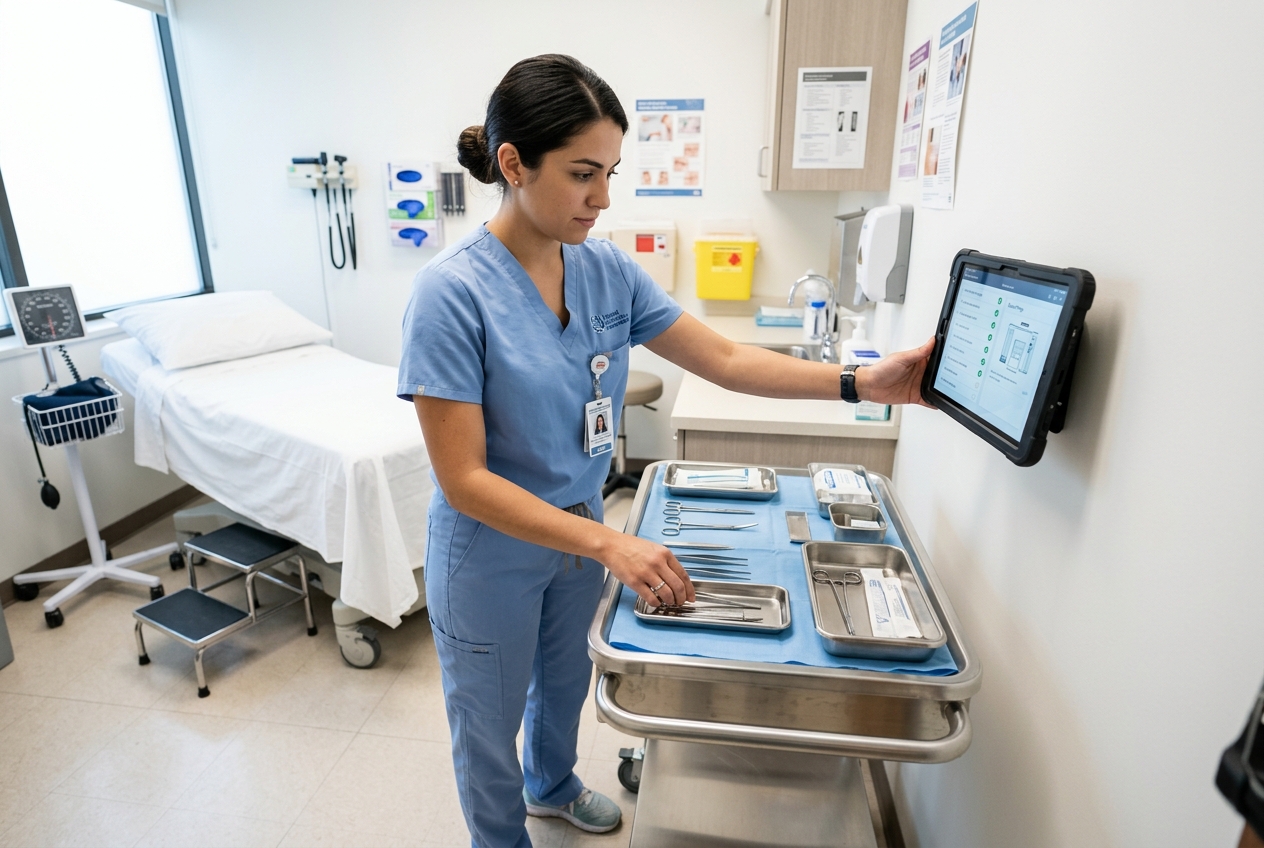
Outpatient care is reshaping how medical services are delivered — driven by new technology, evolving policy, and rising patient demand. The shift from inpatient to outpatient settings represents one of the most significant structural changes in American healthcare, with profound implications for hospital strategy, revenue cycles, and care coordination.
The Shift to Outpatient Care
Over the past two decades, outpatient care has grown dramatically. Outpatient visits now account for over 60% of all hospital encounters, up from roughly 40% in the 1990s. Advances in minimally invasive surgery, anesthesia, and monitoring technology have enabled procedures that once required multi-day hospital stays to be performed safely in outpatient settings.
This trend accelerated significantly during and after the COVID-19 pandemic. As hospitals struggled with capacity constraints and patients sought to avoid inpatient exposure risk, outpatient care became the preferred delivery model for a wide range of services — from orthopedic procedures to chemotherapy and cardiac rehabilitation.
Key Drivers of Outpatient Growth
- Technological advances — laparoscopic, robotic, and endoscopic procedures enable same-day discharge
- Payer pressure — insurance companies increasingly require prior authorization for inpatient admissions
- Patient preference — patients prefer the convenience, lower cost, and reduced infection risk of outpatient settings
- Value-based care models — bundled payments and capitation incentivize lower-cost care settings
- Telehealth expansion — virtual visits replace many office visits and follow-up appointments
- Freestanding surgical centers — ASCs offer competitive costs and streamlined patient experience
Financial Implications for Hospitals
The outpatient shift has significant financial consequences. Ambulatory surgical centers perform procedures at 50-60% lower cost than hospital outpatient departments, creating competitive pressure on hospital revenue. CMS has responded by increasingly aligning reimbursement rates, but hospital outpatient departments often receive higher payments than freestanding facilities — creating a complex dynamic for system strategy.
Hospitals must balance the risk of volume migration to lower-cost competitors while investing in their own outpatient infrastructure. Health systems that have successfully navigated this transition typically develop comprehensive ambulatory networks, including physician-owned practices, urgent care centers, and community health outposts.
Care Coordination Challenges
The growth of outpatient care introduces significant care coordination complexity. When patients receive care across multiple outpatient settings — primary care, specialty clinics, imaging centers, labs, and surgical centers — maintaining a unified care record and ensuring appropriate follow-up becomes challenging.
Referral management is critical in this environment. Studies show that up to 50% of specialist referrals from outpatient settings are never completed, leading to care gaps, patient dissatisfaction, and downstream complications. Digital referral management platforms that track the full referral loop close this gap significantly.
Technology's Role in the Transition
Health information technology is the backbone of effective outpatient care. Interoperability between EHR systems, real-time data sharing, automated referral workflows, and patient engagement tools are essential for delivering coordinated outpatient care at scale.
Care orchestration platforms like HealthViewX provide the connective tissue between outpatient care touchpoints — enabling seamless referral management, care management program enrollment, and population health monitoring across distributed care settings.
Strategic Response for Providers
- Invest in ambulatory network development to retain volume and compete with freestanding facilities
- Deploy digital care coordination tools to manage complex outpatient referral pathways
- Implement population health management programs to proactively manage chronic disease outpatient care
- Leverage telehealth for follow-up care, chronic disease monitoring, and behavioral health
- Align incentive structures with value-based contracts that reward outpatient efficiency